


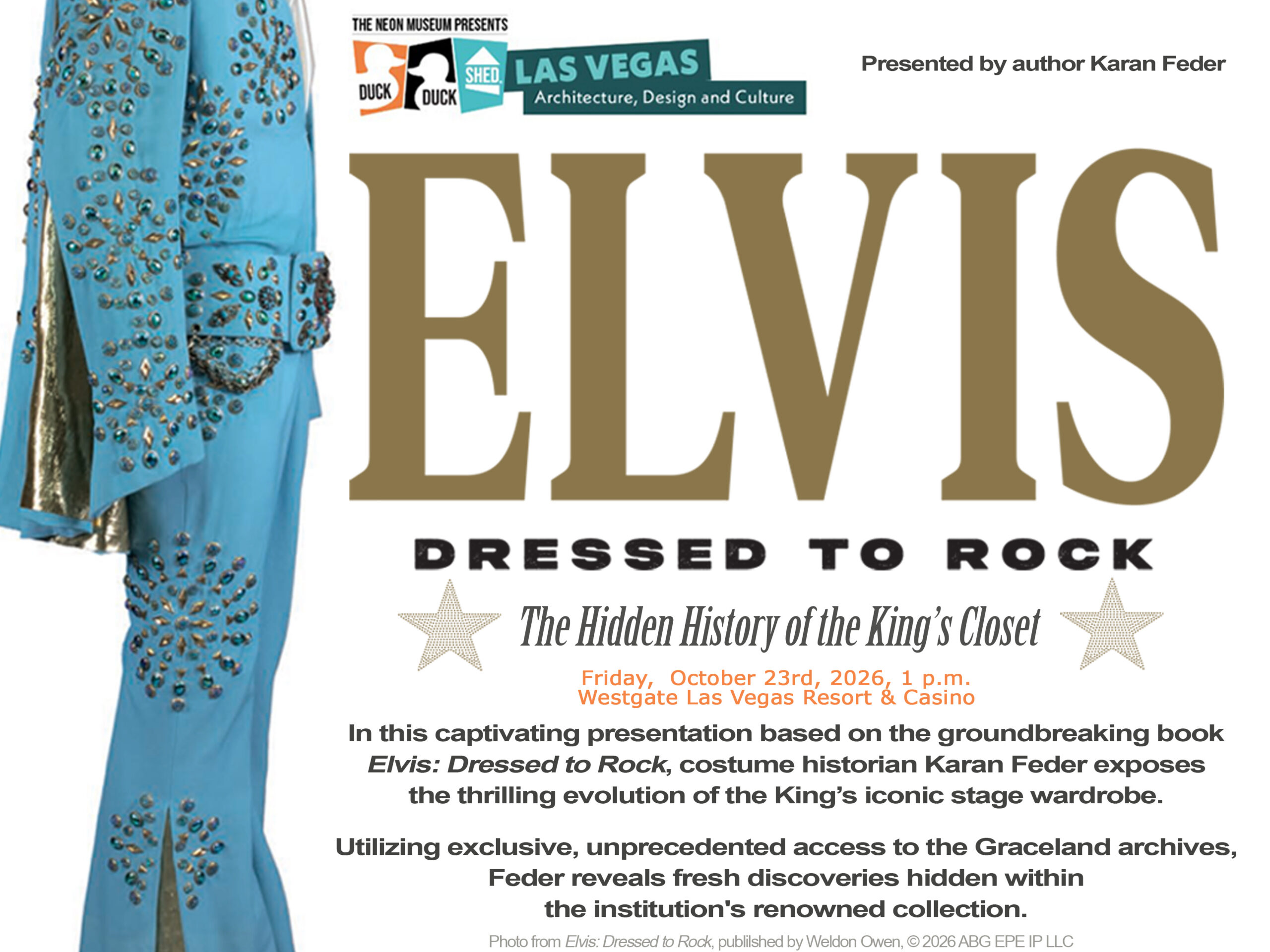
Costume historian Karan Feder explores the stories, craftsmanship and evolving style behind the King’s iconic stage wardrobe.
By Debbie Hall
Las Vegas has built its reputation on elaborate productions, legendary showgirls, superstar residencies and immersive entertainment. Duck Duck Shed, from Oct. 23–26, celebrates the architecture, design, entertainment, and cultural influences that helped shape Las Vegas.
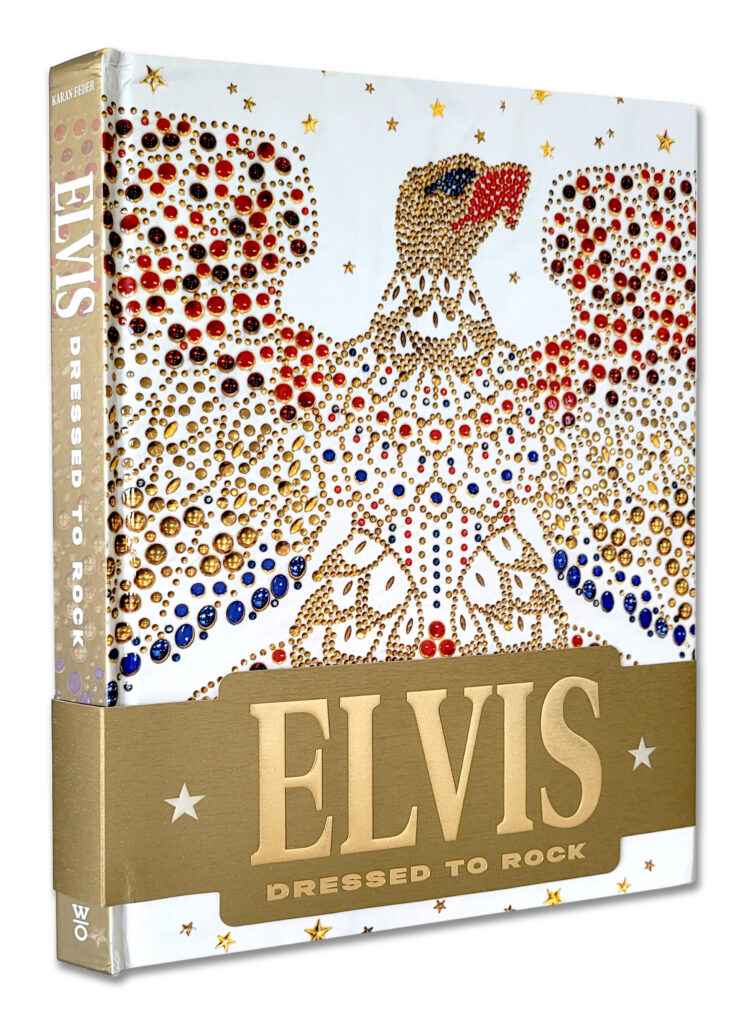
Elvis Presley helped turn Las Vegas entertainment into an art form, pairing powerhouse performances with a stage wardrobe that became legendary in its own right. Costume historian Karan Feder will explore the stories behind the King’s iconic look during “Elvis: Dressed to Rock – The Hidden History of the King’s Closet,” starting at 1 p.m. on Oct. 23.
Drawing on newly uncovered stories from the Graceland archives, Feder will reveal how designer Bill Belew’s creations helped shape Elvis’ Las Vegas comeback. The presentation also includes an exclusive backstage tour of the International Theater at Westgate Las Vegas Resort & Casino, where Presley performed for more than seven years.
For Feder, studying Elvis’ costumes reveals more than the wardrobe of a music icon. It offers insight into the creative partnership between performer and designer, the evolution of popular fashion and the details that helped transform a concert into a theatrical experience.
From Fashion Trends to Theatrical Spectacle
Elvis’ celebrated stage image did not emerge in a vacuum. Belew drew inspiration from contemporary fashion, adapting familiar trends into striking designs that commanded attention onstage.
Feder traces the evolution of Presley’s stage wear through its decorative techniques and embellishments. While his early costumes, especially those for the 1968 comeback special, were not heavily decorated, the costumes that emerged by the mid-1970s were highly decorated and featured multiple layers of embellishment.
“This progression reveals the responsibility of a theatrical costume designer to supply an ongoing sequence of inventive visual amusement for the performer and the audience,” Feder explains.
Belew’s designs also reflected the era’s youth culture. Fringe, a popular fashion element during the 1960s and early 1970s, appeared in the stage wardrobes of prominent musicians, including Jimi Hendrix, Roger Daltrey of The Who and Sly Stone at the 1969 Woodstock festival.
Belew’s vision helped position Elvis as a revitalized performer connected to contemporary music and fashion. Although Presley’s famous jumpsuits may seem extravagant today, Feder emphasizes that the silhouette was fashionable during the late 1960s and into the 1970s.
“Elvis’s stage style was not informed by an underlying cultural message,” Feder says. “Bill Belew’s design mission was to visually align Elvis with the most popular musicians of the era.”
Belew created his own versions of these trendy styles and adapted them for the stage, giving them an Elvis flavor while keeping the contemporary style intact.
The Details Behind the Legend
Some of the most fascinating discoveries in costume history are details audiences might never notice.
Feder points to the American Eagle Rehearsal and Show Jumpsuits, which feature extensive decorative studwork along the hipline. The embellishments create the illusion of Presley’s familiar hip-hugger-style belt, even though much of the ornamentation would not have been visible to the audience.
Feder wonders whether Belew anticipated the possibility that Elvis might remove his belt during a performance. The question remains unanswered, but it illustrates how examining a costume’s construction can reveal new questions about the relationship between design and live performance.
“It’s an example of a topic that I am still intrigued by,” Feder says, adding that she wishes someone had thought to ask Belew about it while the designer was alive.
Another important accessory was Elvis’ iconic Championship Belt, presented in recognition of the audience-attendance record he achieved during the 1969 season at the International Hotel. Presley prized the belt and wore it with numerous stage and offstage outfits.
Although Belew did not create the original trophy belt, Feder believes the designer likely sanctioned its use as part of Presley’s stage wardrobe. Its flamboyant, jeweled appearance captured attention and amplified Elvis’ signature movements.
“The bedazzled and flamboyant belt effectively captured audience attention, directed audience gaze, and amplified Elvis’s signature stage movements,” Feder explains.
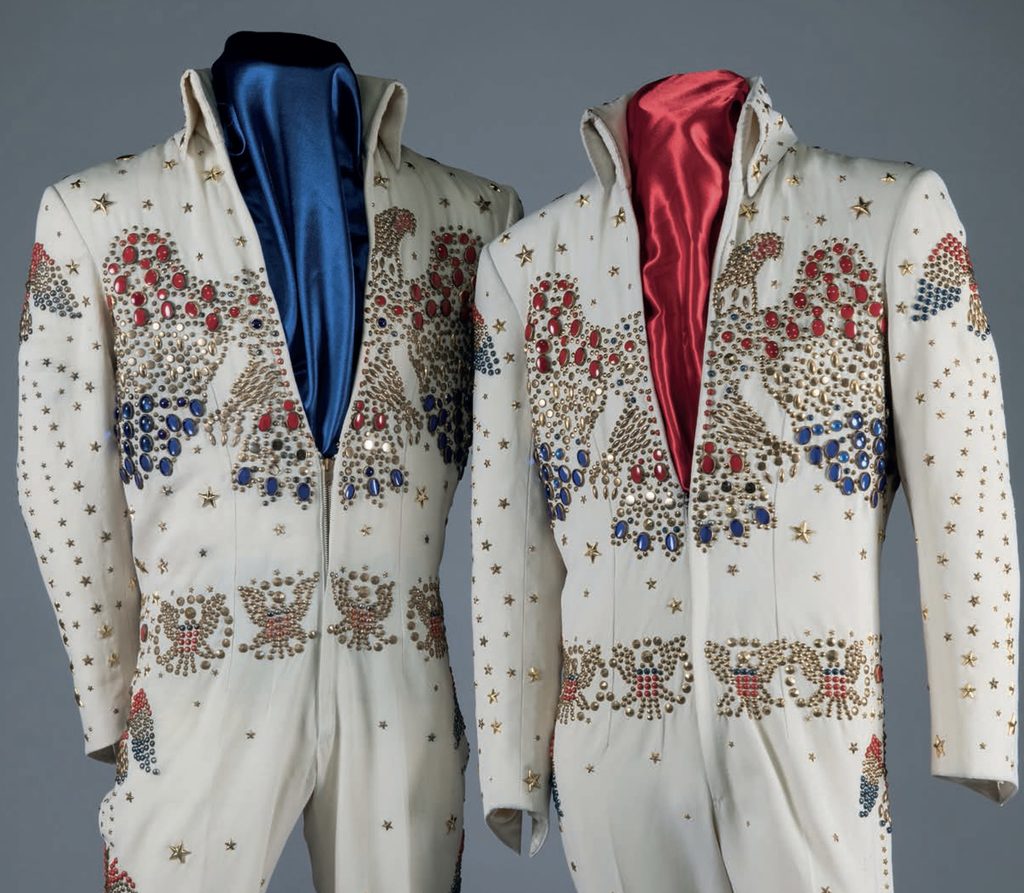
Photo from Elvis: Dressed to Rock, published by Weldon Owen, © 2026 ABG EPE IP LLC
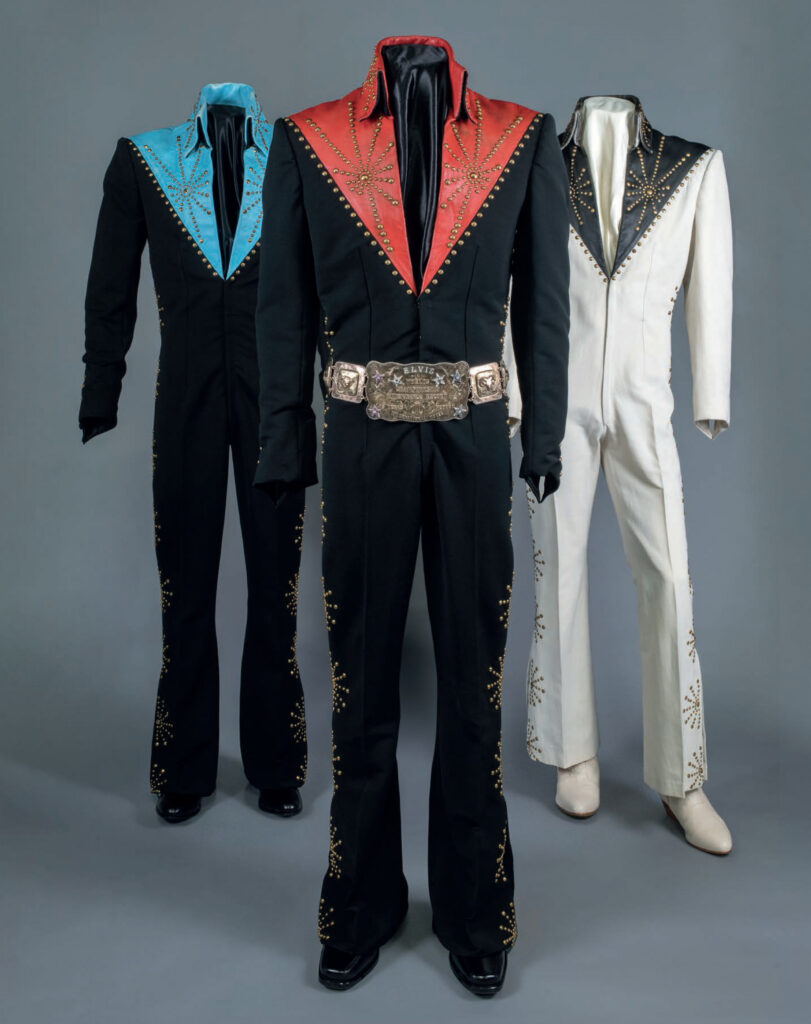
Photo from Elvis: Dressed to Rock, published by Weldon Owen, © 2026 ABG EPE IP LLC
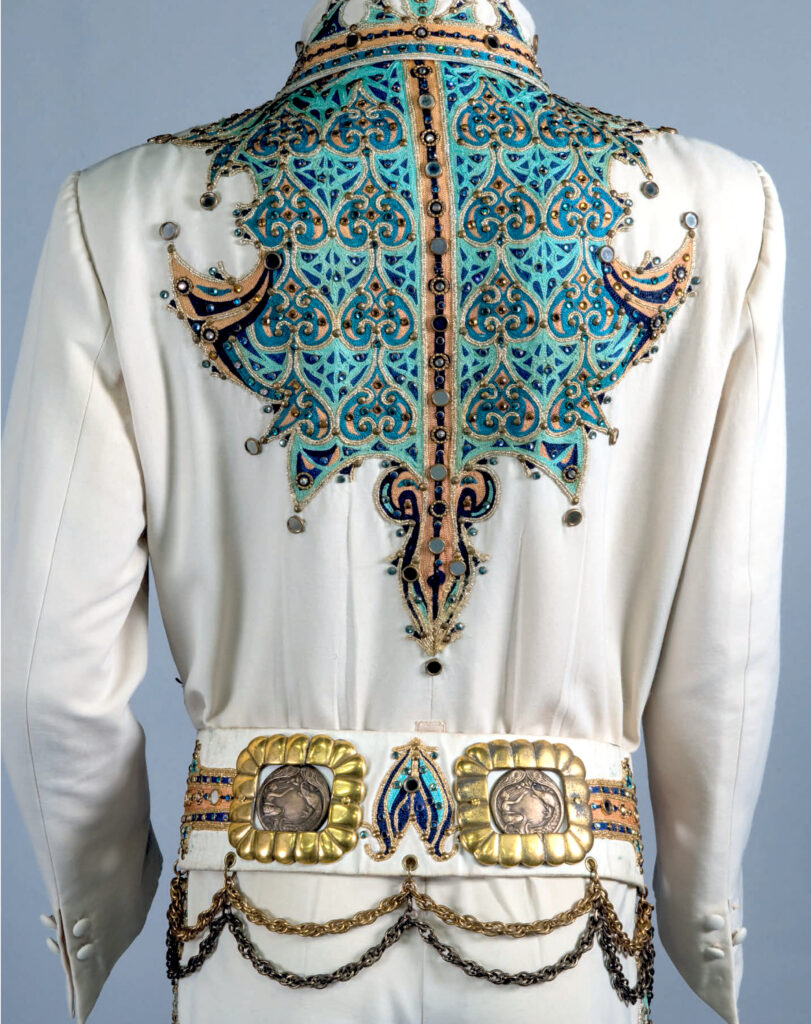
Photo from Elvis: Dressed to Rock, published by Weldon Owen, © 2026 ABG EPE IP LLC
A Style That Continues to Resonate
Elvis’ theatrical wardrobe remains influential partly because fashion moves in cycles. Trends that once defined an era can return with new meaning, introducing earlier performers to new generations.
According to Feder, Baz Luhrmann’s 2022 film Elvis attracted young fans to the artist’s unique style.
Historically, the costumes show how a designer turned fashion into a performance identity. The rhinestones, decorations and characteristic belts were not just details; they created Elvis’s unique visual identity.
Feder hopes visitors will leave with a deeper appreciation for the details behind that image, particularly the evolution of Presley’s signature belt and the collaboration that shaped it.
At Duck Duck Shed, the King’s wardrobe becomes a window into the artistry behind Las Vegas entertainment. Through archival discoveries, design history and an exclusive look inside the theater where Elvis performed, Feder invites audiences to reconsider the costumes that helped define one of the city’s most memorable entertainment eras.
Founded in 1996, The Neon Museum achieved accreditation by the American Alliance of Museums (AAM) in 2021, the highest national honor for museums in the United States. Situated on a 2.27-acre campus, the museum’s collection also includes 15 restored signs displayed as public art in downtown Las Vegas, collectively known as The Las Vegas Boulevard Scenic Byway Project. Its ongoing initiatives encompass public education, outreach, research, and arts preservation. For more information, including Duck Duck Shed, tour schedules, and tickets, visit The Neon Museum or Duck Duck Shed. Also follow @NeonMuseum on Facebook and @theneonmuseumlasvegas on Instagram.


